
Font Nerd
which self-publishing is better than alter-publishing at

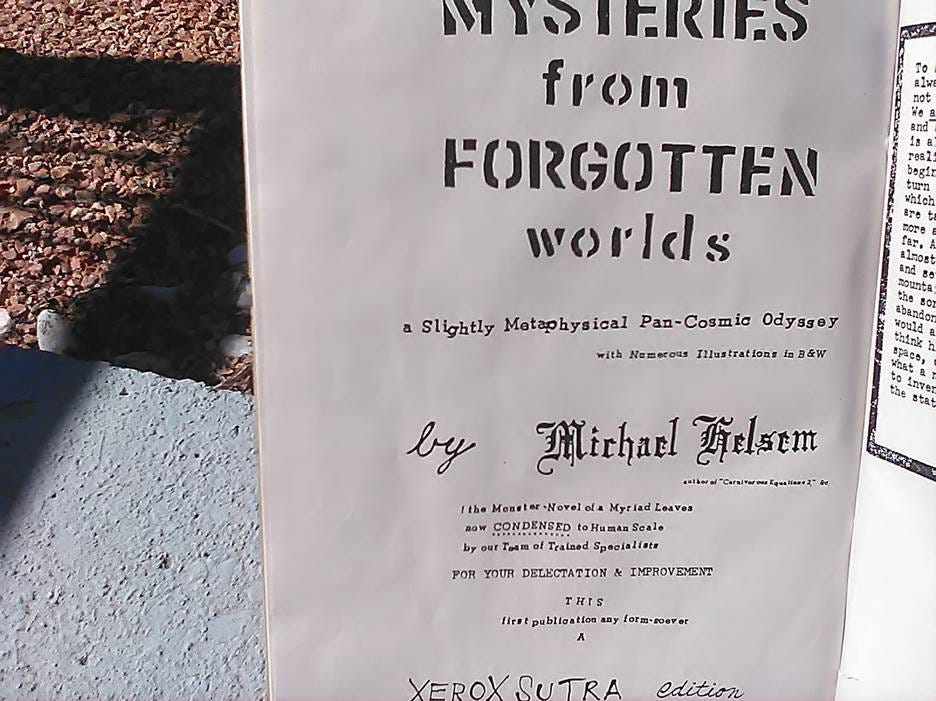
(title page of my first self-designed book, 1984)
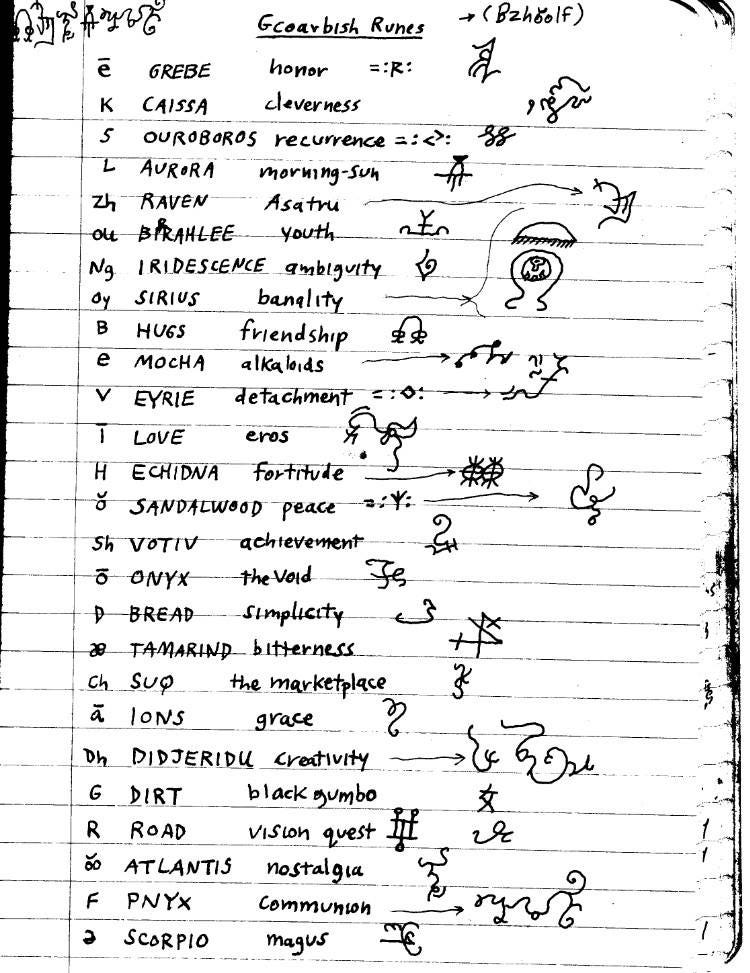
I guess I’ve always been a font nerd. I don’t think I existed in the same form as a person before encountering On Beyond Zebra. In grade school I earned coke money by calligraphing other kids’ names in Old English using a Flare felt-tip pen (not a wedge-point). Very early on, I learned to write my name phonetically in hieroglyphics, & in that same time period I always signed my name mirrorwise, like Leonardo; & used the Cyrillic alphabet as a readymade cipher for English. I built model cars & used Letraset, of which my favorite was Boot Hill (I think that’s what they called it, or that’s maybe my own name for…”P. T. Barnum”). Eventually I went on to design my own xerox books (pictured is the frontispiece of one; note that the first line was done, letter by letter, with a rubber stamp alphabet & tweezers). And for my own language (“Glaugnea”), a Kabbalistic alphabet with both hieratic & demotic forms (instead of majuscule & minuscule):
I was sensitive to how the 60s changed typefaces on paperback covers & albums, & how the 70s changed them again. My old Royal typewriter, when computers came in & told me it was “Courier” & not “Times New Roman”, had been blown up for Mysteries from Forgotten Worlds & sundry subsequent chapbooks. Later, an electric gave me access to an italic-like font, & I thought of John Gray’s 1890s Silverpoints, set entirely in italics.
The time came to design a business card, & I pored over twenty versions of Fraktur & took the best version of each letter of my name. The printer, however, demurred at printing purple letters on cadmium orange background, so I had to settle for maroon on orange sherbet, not at all the same thing. (I condensed all my interests into: “Alchemist. Vates.”)
For a while in the 80s I worked as an art reviewer, & my editor, JR, was another font nerd, except moreso. He had strong feelings for & against particular fonts, & based his attitude much, I presumed, on there being or not being negative space in places where it should or shouldn’t be. (Me, I loved ligatures.) When miekal and (of Xerox Sutra, later Xexoxial) asked me to typeset a chapbook he’s written, using JR’s Mac (I had no computer of my own yet), the typeface he chose—a facsimile of the multi-font “ransom note” or punk-rock zine effect—infuriated him. He could not bring himself to read anything written in it, yet (such was his geniality) he allowed me to build page after page with that hideous strength.
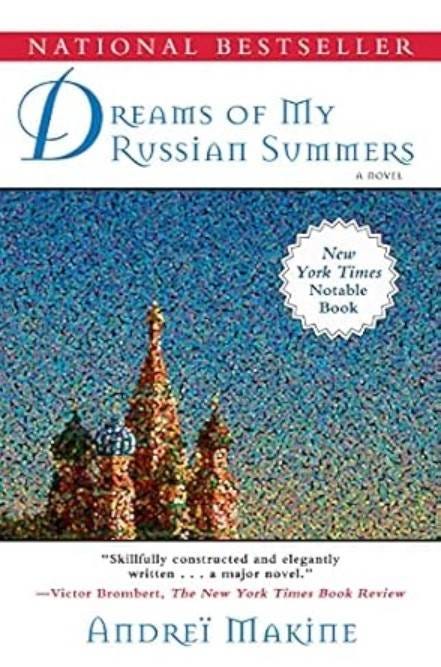
I seldom had such distinct preferences, though something in me shifted when I started using 12-pt Cambria Math as my default, instead of Book Antiqua. Once I spotted an interesting font on the cover of a book & sought its name out (see below). Another time I became obsessed with the futuristic typeface (Magneto) I saw on a fancy espresso machine (Mastrena). I learned from John Coulthart (perhaps the only blogger worthy of the mantle of woods_lot ) who schooled me in Typefaces of the Occult Revival, & certain others (The Blade Runner Font) as much for their fans’ enthusiasm as for mine.
I may be the only font-acolyte who doesn’t have an opinion on Garamond, or on Comic Sans. Those were fashionable topics, not aesthetic ones. Taking sides to take sides. The sort of opinion I want to argue is whether Apollonian script should be used to write Lojban.
The ultimate expression of my love of typefaces crystallized when I discovered the book, Polish Cold War Neon. It is one of the most beautiful coffeee-table books I have ever seen (& I’ve seen a lot). Neon is magic anyway, & when you combine that with a modernist/post Art Deco sensibility (Poland in the 60s was politically Stalinist but seriously rad aesthetically: not only Penderecki in music, a whole slew of animators, & all the best illustrators in Graphis (more enjoyable for me than the fine art of that same era), you get letters set free from the burden of meaning, each one as expressive as a face.
Check it out.